
Around 400 BC, Greek sailors from Marseille chose a rocky promontory between two bays to establish a trading post. They named it Antipolis, «the city opposite,» facing Nice. The reason for this choice was simple and identical to what leads superyachts to choose Port Vauban today: natural shelter, a central position on the coast, and sufficiently deep waters for large ships.
Twenty-four centuries later, this same spot has become the largest leisure marina in Europe. The boats have changed. The logic, however, has not.
What the Greeks understood
The geography of Antibes is unique on the French Riviera. The town is built on a rocky spur jutting out into the sea, protected to the east by the Cap d'Antibes and its wooded expanse, with two distinct bays on either side: Cannes Bay to the southwest and the Bay of Angels towards Nice to the northeast. A ship anchoring at Antipolis is sheltered from the winds in almost all conditions. This was evident to a Greek sailor in the 4th century BC, and it remains so for a skipper in 2026.
Antipolis quickly becomes one of the most active trading posts in Liguria. The Romans retake the city, integrate it into the province of Gallia Narbonensis, and build thermal baths and an amphitheater there. The remains are still visible in the basements and museums of the old town. Antibes is one of the oldest cities in France, but it bears this antiquity discreetly, behind its ramparts.
The ramparts and Vauban
What strikes you from the sea, even before the port, are the ramparts. The fortifications that run along the coast of Antibes, the wall that falls almost directly into the sea, were consolidated in the 17th century by Vauban, Louis XIV's military engineer. Antibes was then a frontier town: a few kilometers away began the Duchy of Savoy, foreign territory.
Vauban transformed medieval fortifications into a coherent defensive system. What he built here, as elsewhere on the French coasts, is designed to be seen from the sea, to discourage any hostile approach. What enemy ships saw as they approached Antibes is exactly what boats see today: a continuous wall, protruding bastions, a town that decided not to be taken by the sea.
1946: Picasso in the Château
One year after the end of World War II, Pablo Picasso arrives in Antibes. The city offers him a working residence in the Château Grimaldi, a medieval tower that became a castle, overlooking the sea from the top of the ramparts. Picasso is sixty-five years old and has boundless energy. He works tirelessly for several months.
He leaves 23 paintings, 44 drawings, 32 lithographs, and 2 tapestries to Antibes. The château becomes the first Picasso museum in the world, the only one where the artist worked and exhibited during his lifetime. The masterpiece is *The Joy of Life*, a large, exuberant composition that captures something exact about Antibes in 1946: the euphoria of peace regained, the Mediterranean light, the omnipresent sea.
From a boat offshore, you can see the tower of the Grimaldi Castle from the sea, at the top of the ramparts, exactly where Picasso used to paint facing the Mediterranean. From offshore, you can find the exact same light that Picasso used to paint.
Port Vauban: Europe's largest marina
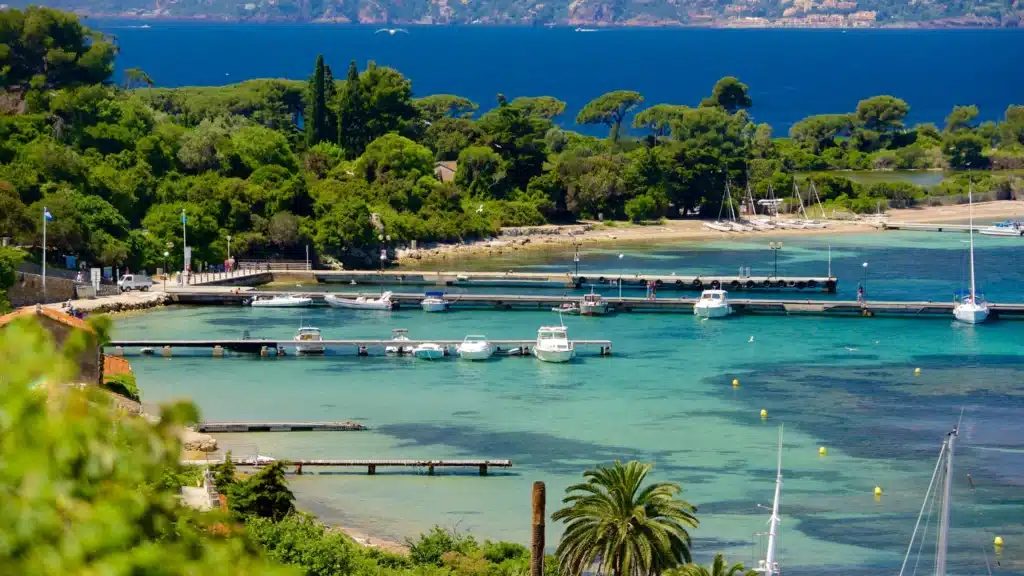
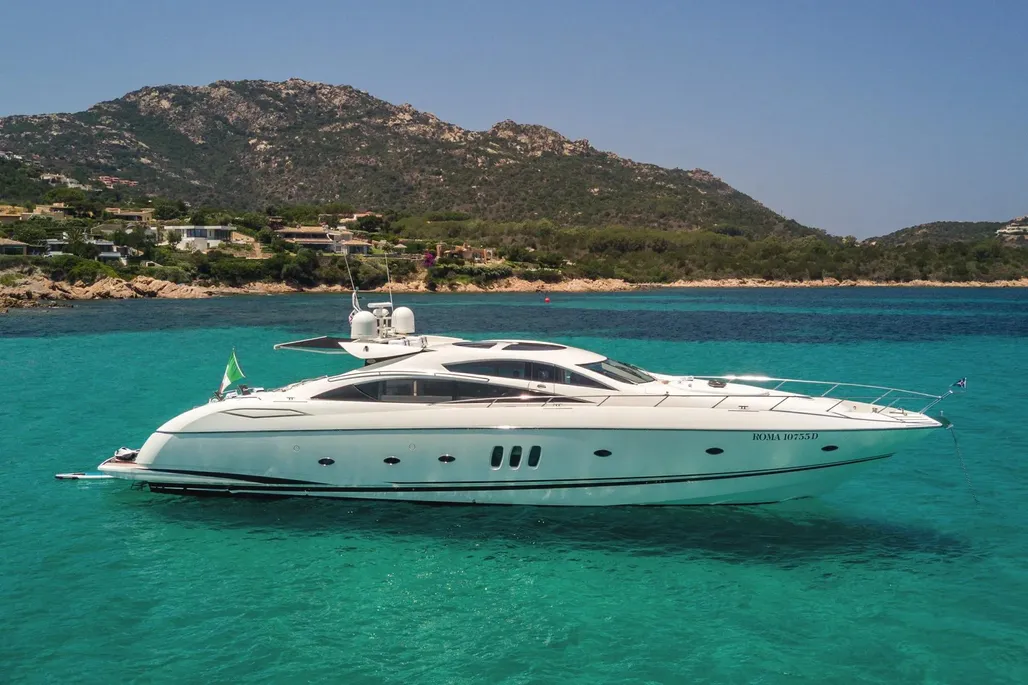
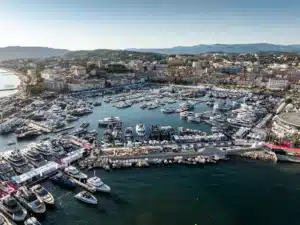
Port Vauban is not a marina in the traditional sense. It's an infrastructure designed for the largest vessels on the market: 1,500 berths, over 100 of which are for boats exceeding 23 meters, a draft of 7 meters, and a maximum berthing length of 165 meters. These are figures that most military ports in the region cannot match.
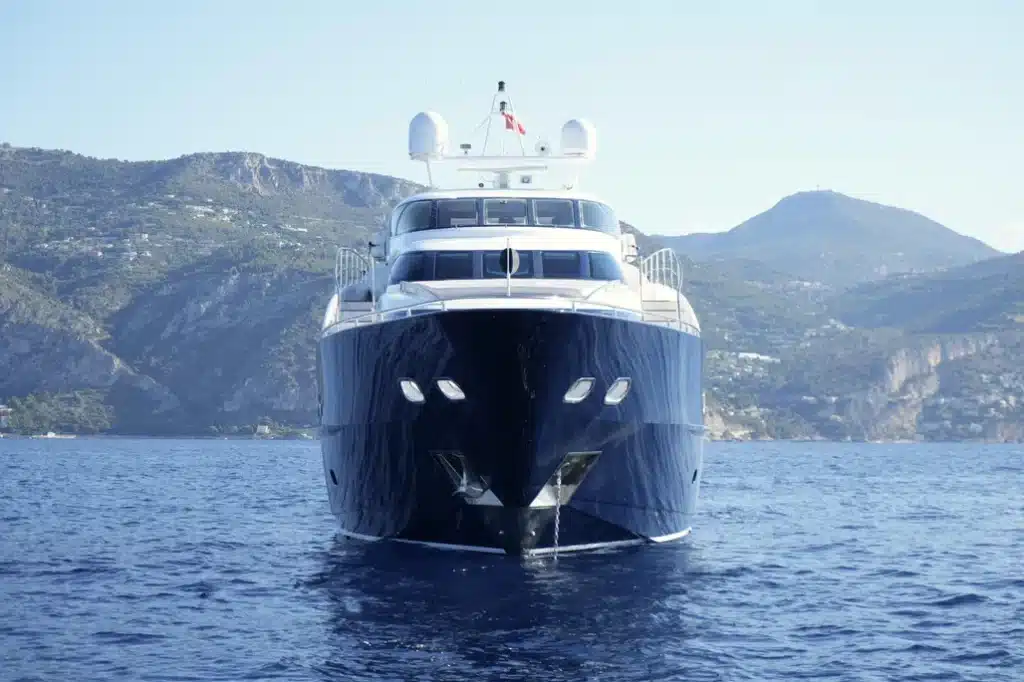
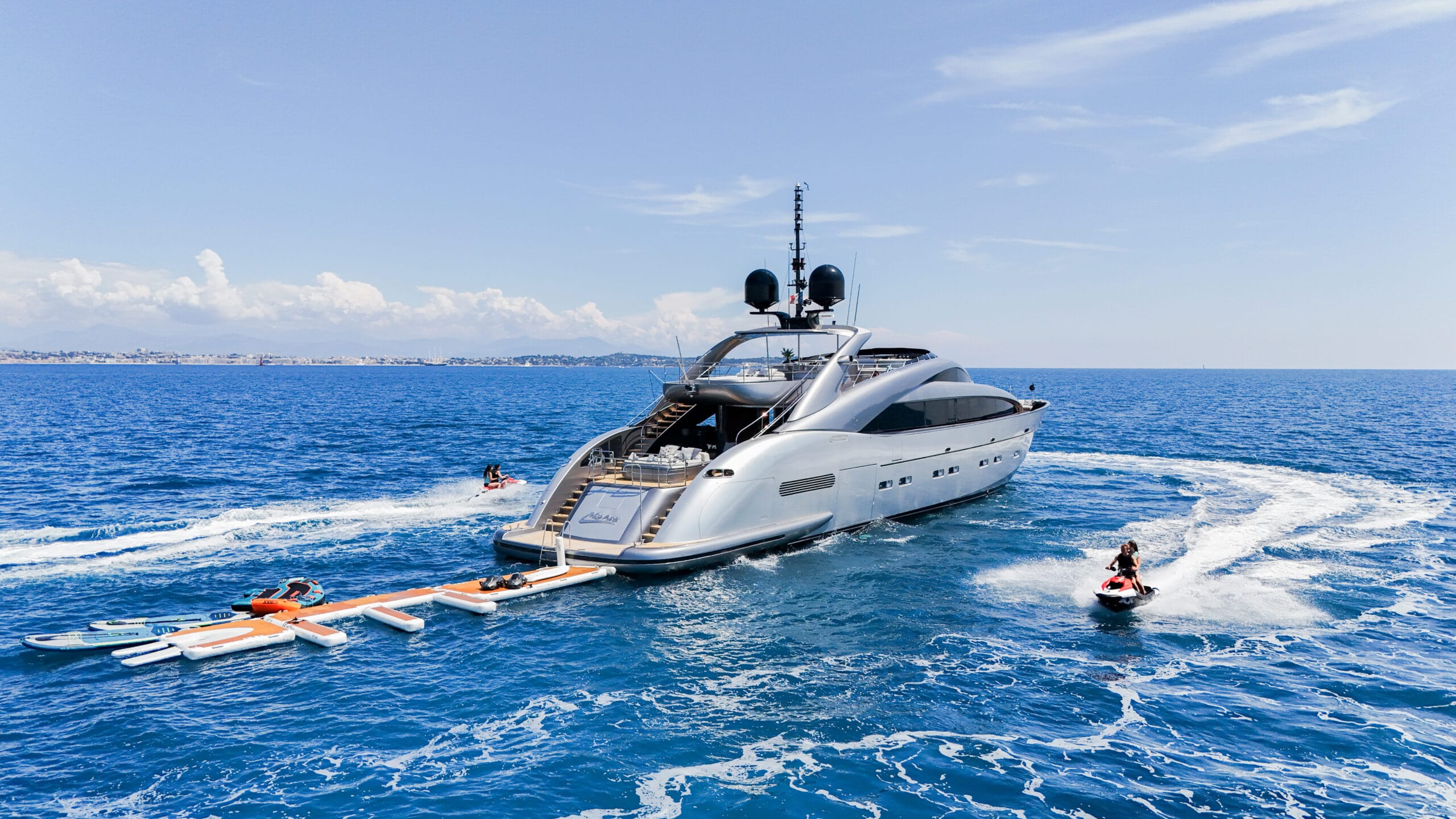
In 1986, the opening of Grand Plaisance, quickly nicknamed the «billionaires» quay," changed the nature of the port. Large vessels, those measuring between 50 and 165 meters, dock there for the season or for winter storage. A berth on this quay can cost several thousand euros per day during high season. The names on the hulls change from year to year, but the quay itself is always full.
What Port Vauban offers that Monaco can't always provide: space and depth. The world's largest yachts winter here, get serviced here, and set sail again from here. Antibes is, in this sense, the technical capital of Mediterranean yachting, less visible than Monaco, but more operational.
Antibes from a boat
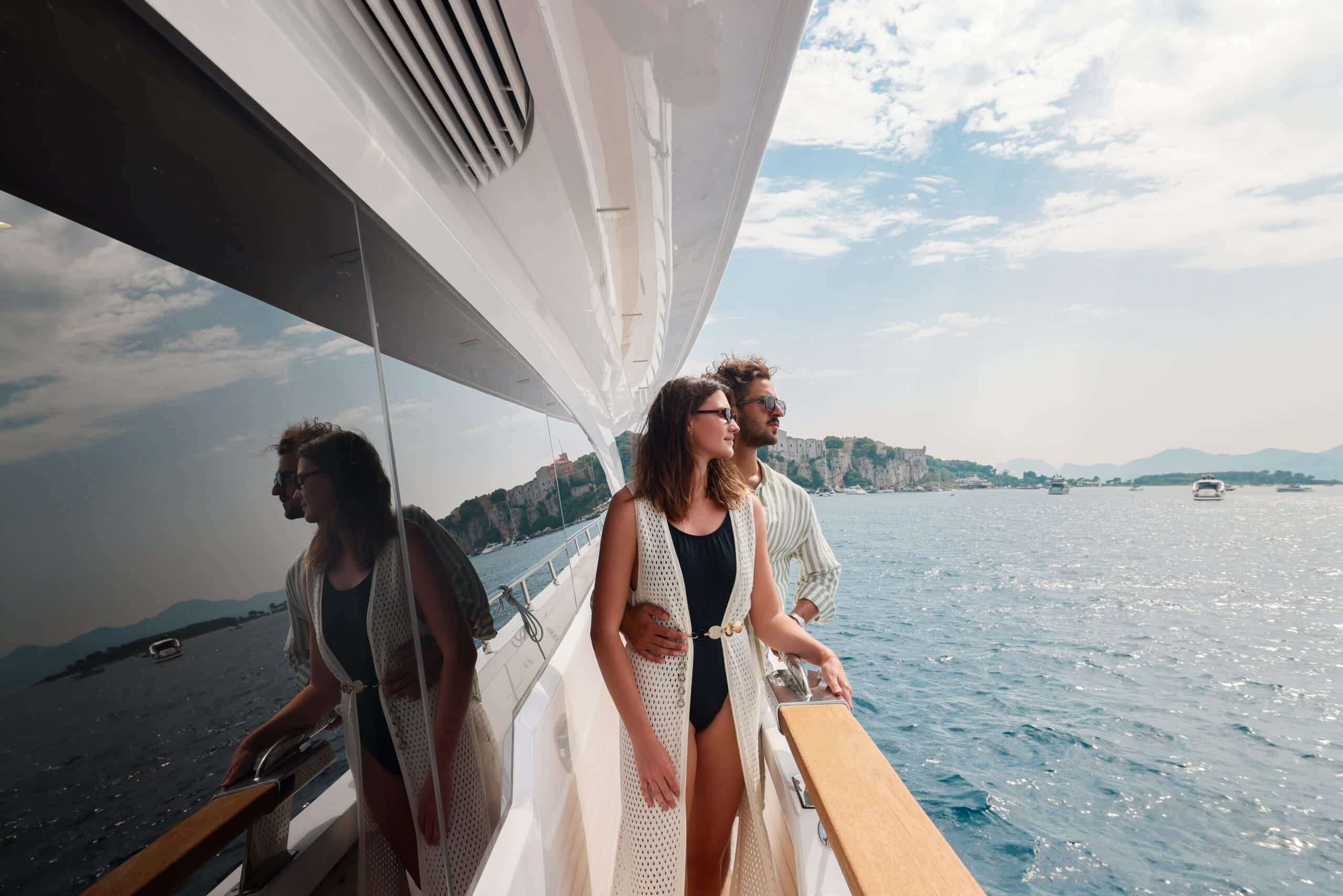
Reading Antibes from the sea is different from what the city shows in its alleys. The ramparts appear in their continuity, you understand their defensive logic, how each bastion covers the blind spot of the previous one, how the wall follows the exact contour of the rock. The Grimaldi Castle stands out on the heights, the sea behind it. And Port Vauban, seen from the water, reveals its real scale: rows of boats that seem endless, with the old town in the background.
Visit Cap d'Antibes, the wooded peninsula that encloses the bay to the south, is a twenty-minute boat ride from the port. Two territories separated by the same water: on one side the city and its millennia-old port, on the other the hidden villas and coves that the road does not reveal. Together, they form one of the densest sailing areas on the Riviera.
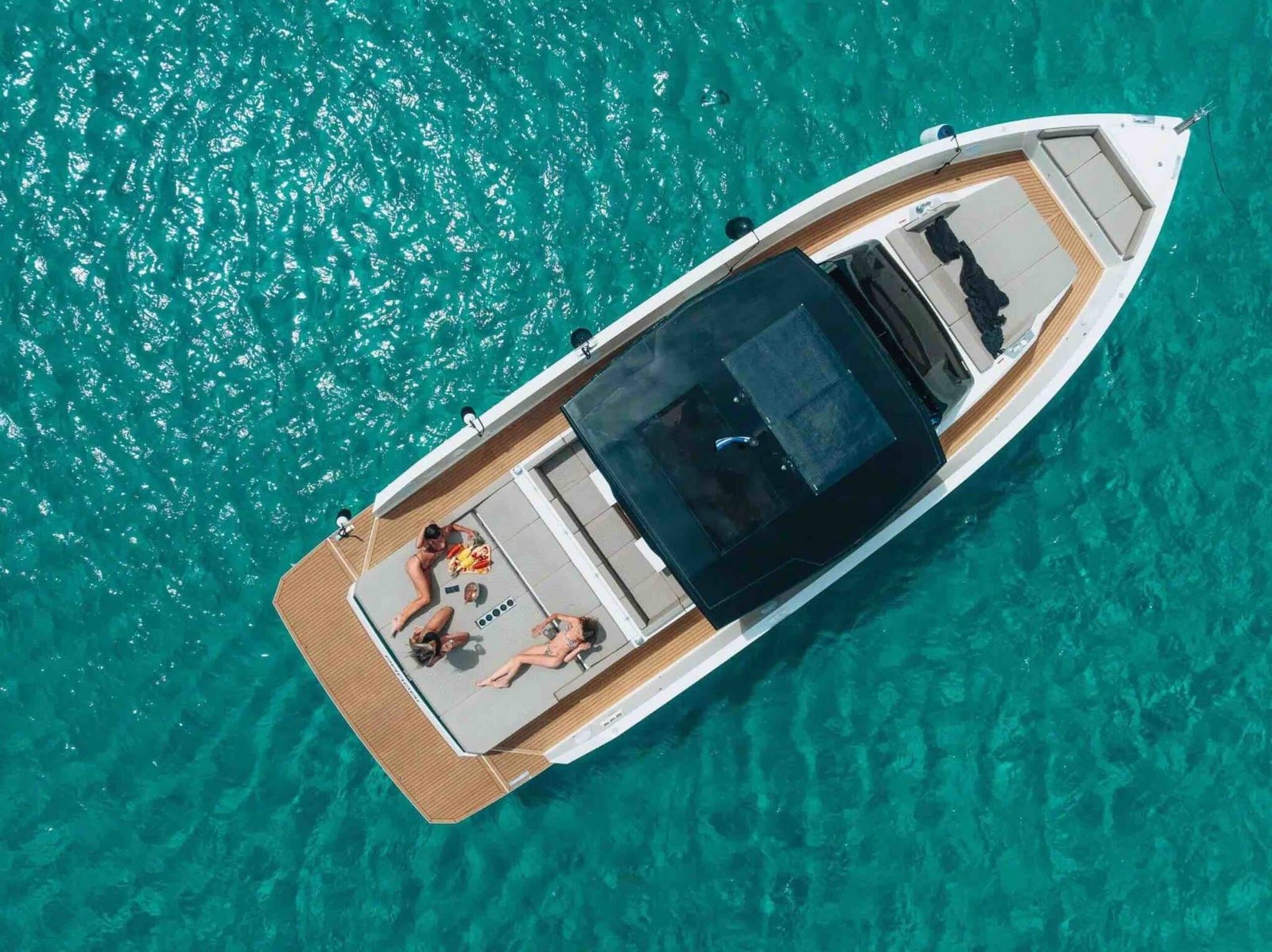
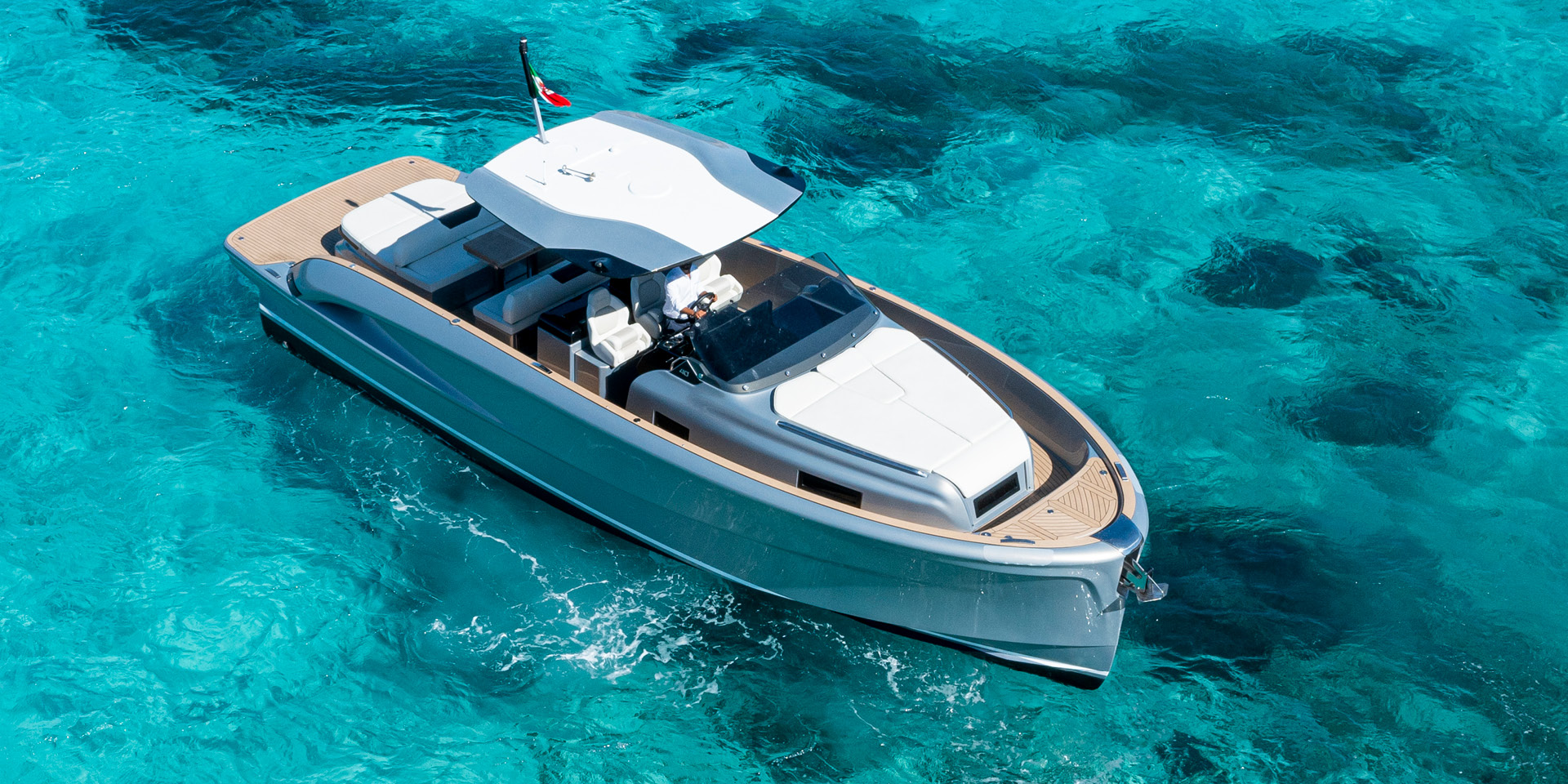
Our boats are available from Port Vauban and Golfe-Juan, in the heart of the area.’Itinerary Cannes – Lérins – Cap d’Antibes Pass by Antibes to the north before skirting the Cap, and it's from the sea that you'll understand why the Greeks, Vauban, Picasso, and superyachts all chose the same spot.
FAQ – Antibes by Boat
Where do the boats leave from in Antibes?
Clapi Boats offers departures from Port Vauban (Antibes) and Golfe-Juan, just a few minutes apart. Port Vauban is the largest marina in Europe, ideally located for reaching the Lérins Islands, Cap d'Antibes, or cruising along the coast towards Nice and Monaco.
What is the «billionaires» quay" in Antibes?
The «Billionaires» Quay" is the nickname for the Grand Plaisance of Port Vauban, inaugurated in 1986. This quay hosts the largest superyachts in the Mediterranean, vessels ranging from 50 to 165 meters, during the season or for winter storage. It is one of the highest concentrations of large yachts outside of events like the Monaco Yacht Show.
Can the Picasso Museum be seen from the sea?
The Grimaldi Castle tower, which houses the Picasso Museum, is visible from the sea. It overlooks the ramparts facing the Mediterranean, exactly where Picasso worked in 1946. To visit the museum, you need to dock at Port Vauban and walk to the old town (about 10 minutes).
What is the difference between Antibes and Cap d'Antibes by boat?
Antibes is the city: the ramparts, Port Vauban, the old town, the Picasso Museum. Cap d'Antibes is the wooded peninsula to the south, the calanques, the hidden villas, Garoupe beach, the Hôtel du Cap-Eden-Roc. Both can be visited in the same day from a boat. Our Itinerary Cannes – Lérins – Cap d’Antibes covers both areas.