On September 1, 1939, the Cannes Film Festival was supposed to open its doors for the first time. The delegations had arrived. The films had been selected. Louis Lumière was presiding over the jury.
But that day, German troops entered Poland, and the Festival was canceled. Not a single film had been screened yet.
This isn't an anecdote. It's the starting point for the Festival's entire logic and what it has become on the French Riviera.
A festival born out of refusal
The Cannes Film Festival was not created to celebrate cinema. It was created to take it away from Mussolini.
In 1938, the Venice Film Festival, the only major international film festival at the time, was under the direct influence of the Italian and German fascist governments. The award-winning films were chosen based on their political alignment. The great democracies, led by the United States and the United Kingdom, were boycotting the competition. Philippe Erlanger, a senior official at the Ministry of Foreign Affairs, then submitted to Jean Zay, the Minister of Public Education, the idea of a counter-festival: a «festival of the free world,» independent of any government.
Jean Zay says yes on December 26, 1938. The Americans and the British commit immediately. Several French cities apply: Vichy, Biarritz, Algiers. It is Cannes that is chosen: its prestige on the Riviera, its bay, its hotel infrastructure. The sea is part of the choice from the very beginning.
On September 1, 1939, the opening day, war broke out. The Festival was cancelled without a single film being shown. Seven years would have to pass.
1946: The Real Beginning
The first real edition of the Cannes Film Festival was held in September 1946 at the Municipal Casino. There was no Palais des Festivals; the iconic building on the Croisette wouldn't open until 1982. There was no established red carpet, no global media machine. Just films, a seaside town, and the idea that culture could resist politics.
In forty years, the Festival becomes something else. The competition remains at its heart: the Palme d'Or, the jury, the official screenings. But around this central axis, something broader, more diffuse, and ultimately more powerful develops: the market. The Marché du Film de Cannes becomes one of the most important in the world. Thousands of professionals arrive each May not to watch films, but to sell, finance, and distribute them.
And gradually, a part of the market began to leave the Croisette.
The backstage has always been about the water.
As the Festival grew, its center of gravity shifted as well. Screenings remained at the Palais. But the important decisions, those that fund films, organize careers, and structure the industry, were increasingly made far from the darkened theaters. The Festival had become as much a seat of power as a cultural event.
Since the 1980s, a portion of the Festival has gradually moved onto the water. The most important meetings, those where distribution rights are negotiated, co-productions are structured, and talent meets off-camera, are increasingly held aboard, far from the Palais corridors.
The logic is simple: a private yacht offers what no hotel can guarantee. The absence of passersby, the impossibility of being photographed by chance, total control over the guest list. On the Croisette, everyone sees everyone. On the water, you choose who comes aboard.
The major American studios understood this very early on. Throughout the fortnight, Port Canto transforms: the bridges become reception areas, the indoor lounges become meeting rooms, the moorings in front of the Lérins Islands lunch spots away from the hustle and bustle. The sea is the only place in Cannes in May where human density doesn't follow suit.
What the Bay of Cannes does to the Festival
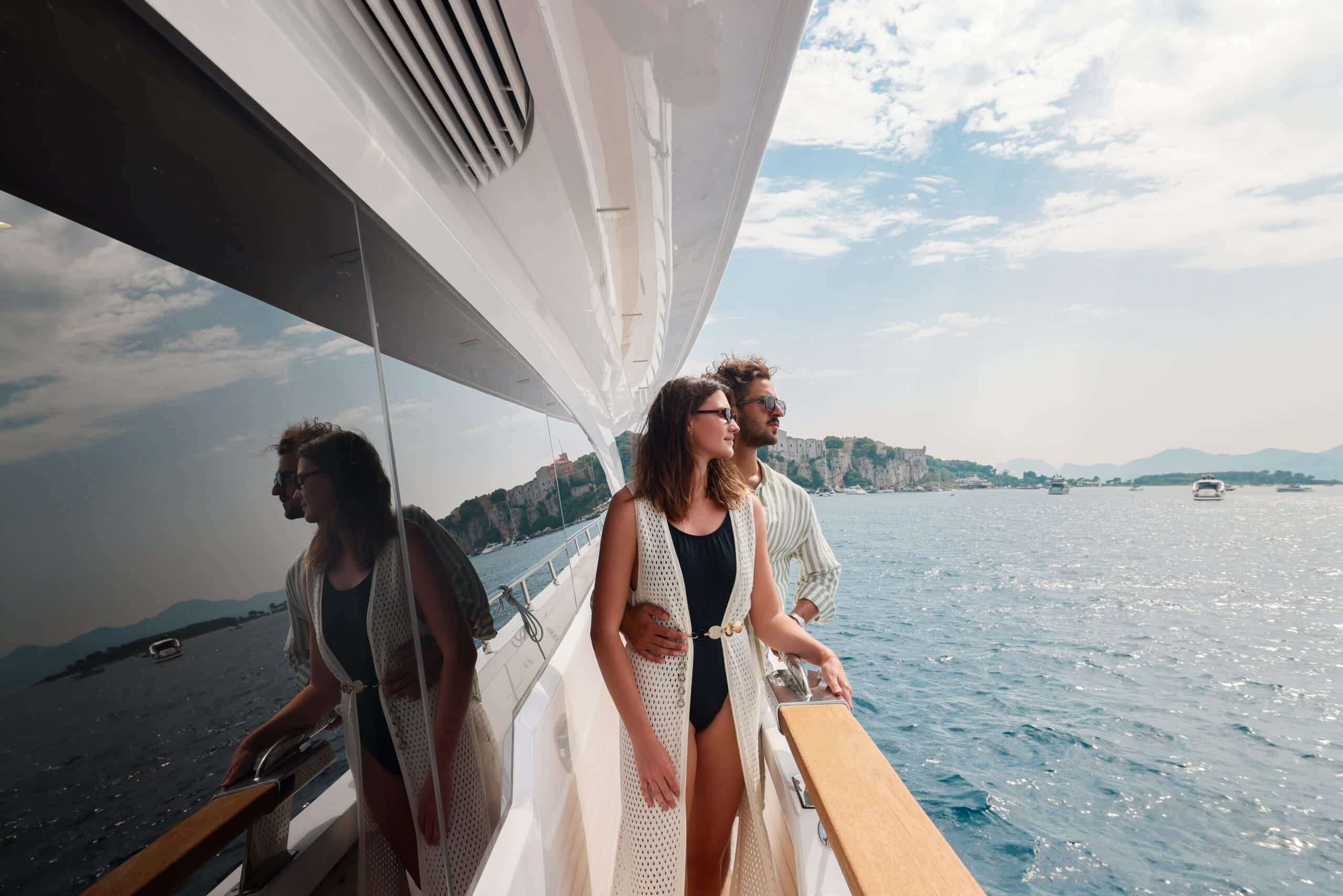
From the water, the Festival takes on another dimension. The Croisette seen from the sea, with the Palais on the left, the historic hotels in the center, and the Suquet rising on the right, is an image most festival-goers never see. They are *in* the scenery. From a boat, you see the whole scenery.
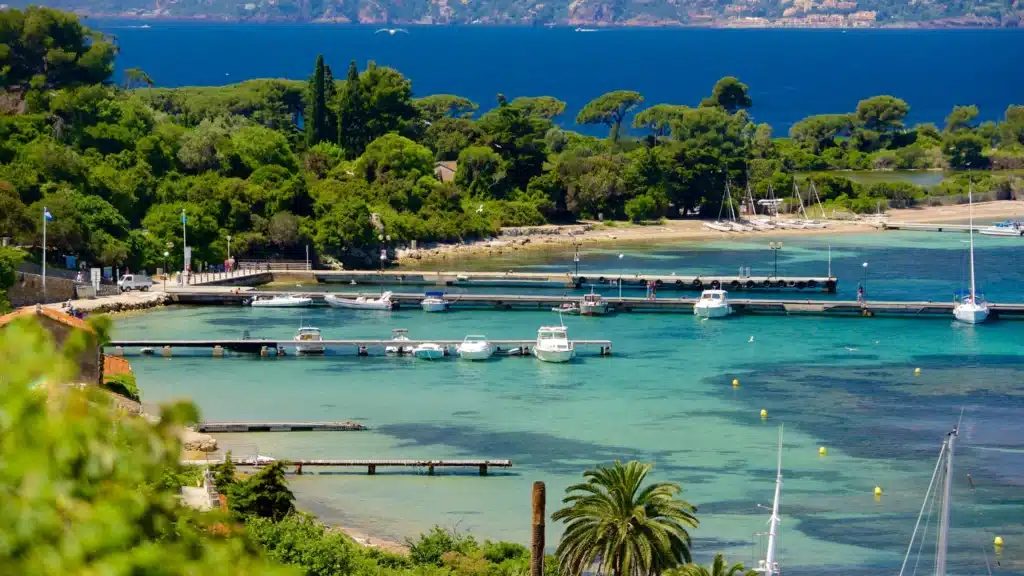
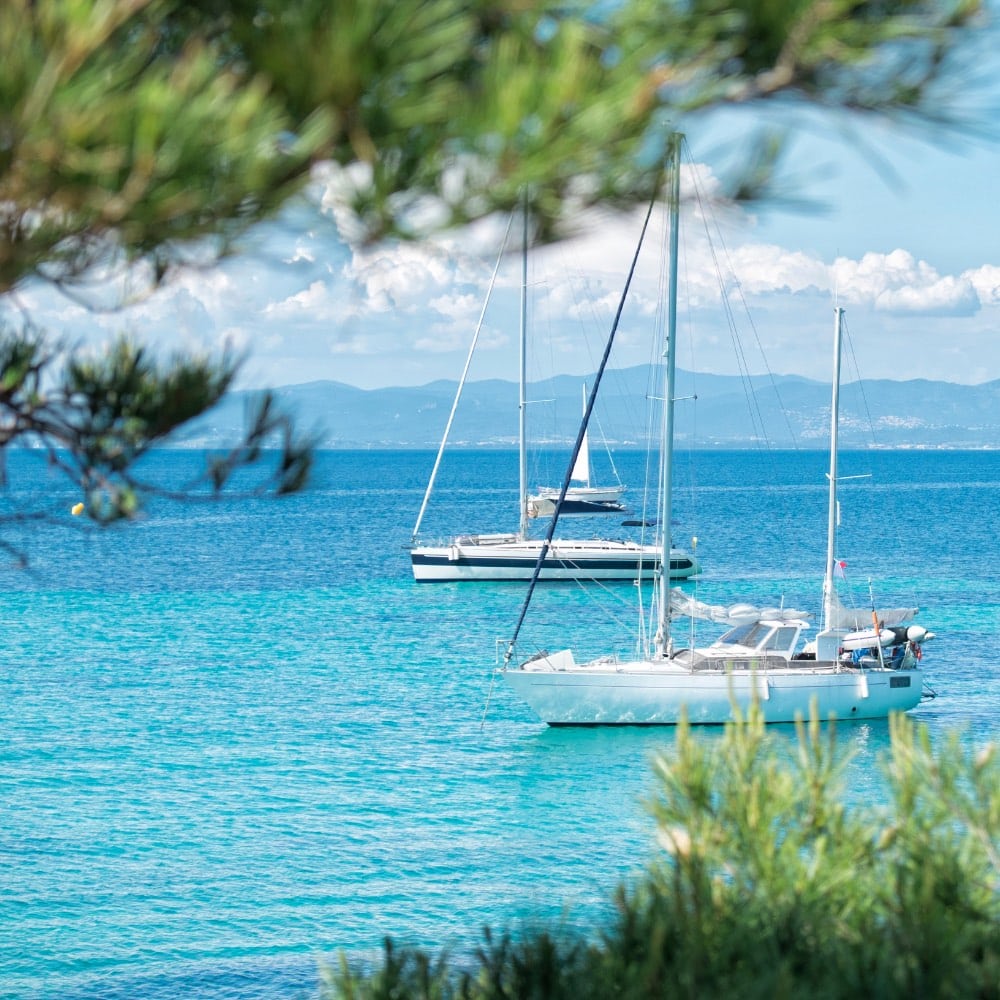
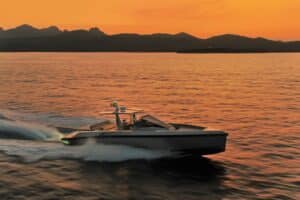
In May, the Bay of Cannes is at its finest. The sea is still calm, and the summer wind patterns haven't set in. The morning light on the Croisette, the evening light on the Esterel, the Lérins Islands a twenty-minute sail away and almost deserted while the city is saturated. It's a paradox unique to the Festival: the time when Cannes is most agitated on the surface is also one of the best times to sail around.
For those who experience the Festival as a marathon of appointments, a morning at sea changes the pace of the entire fortnight. Not to flee the Festival, but to return to it better.
Organize a boat event during the Festival
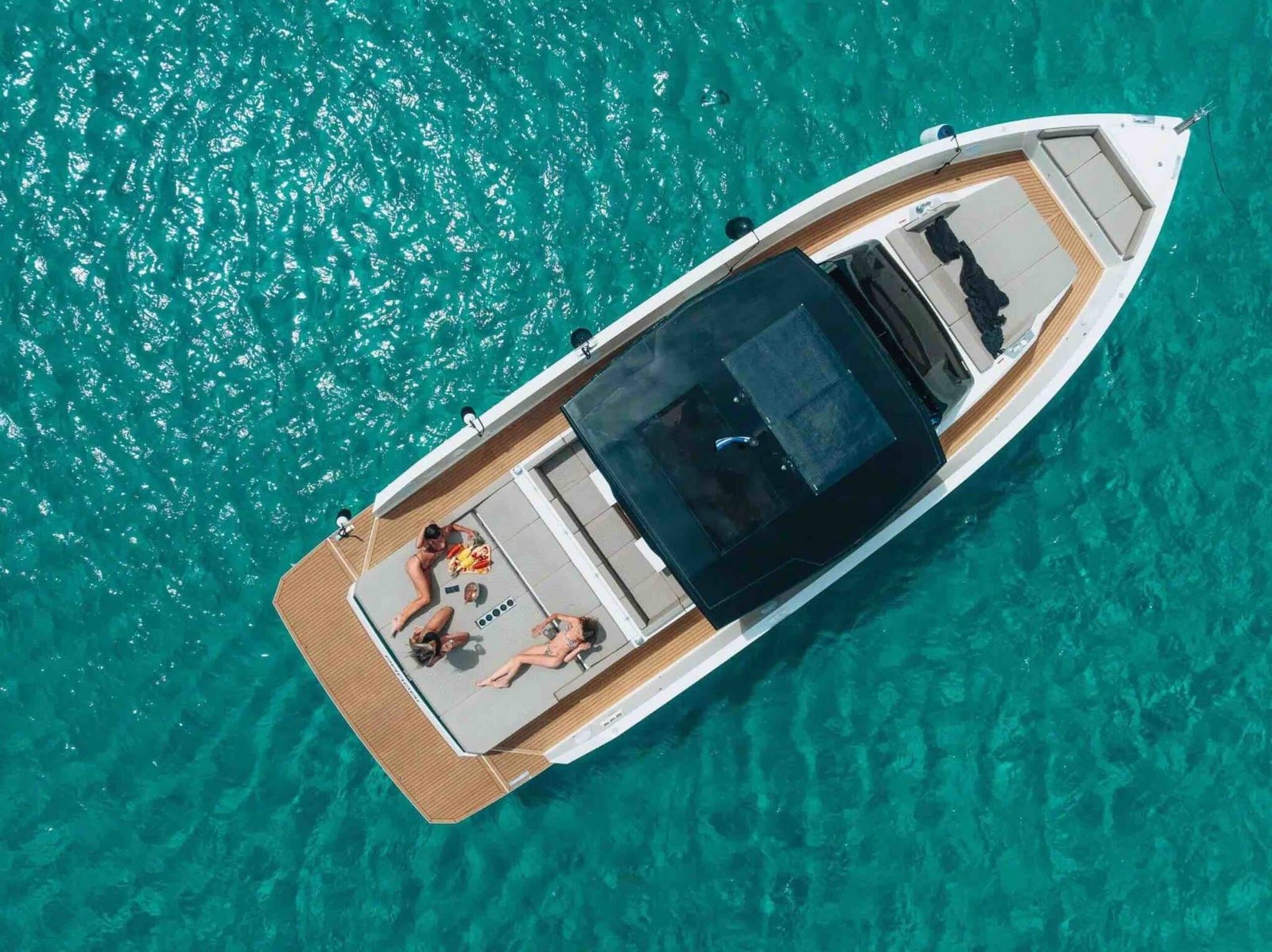
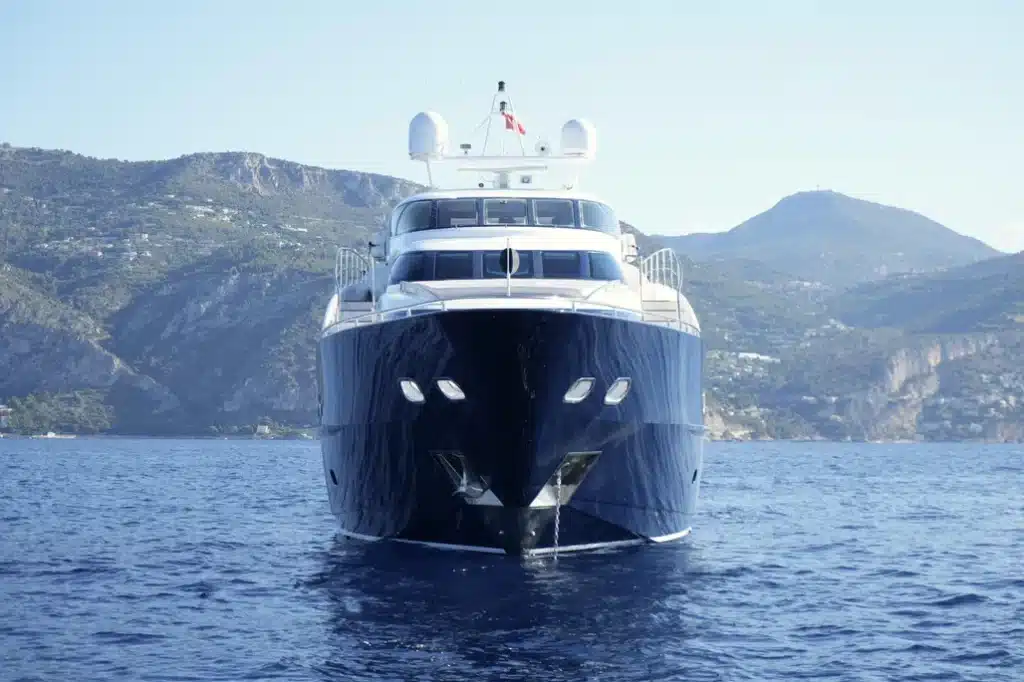
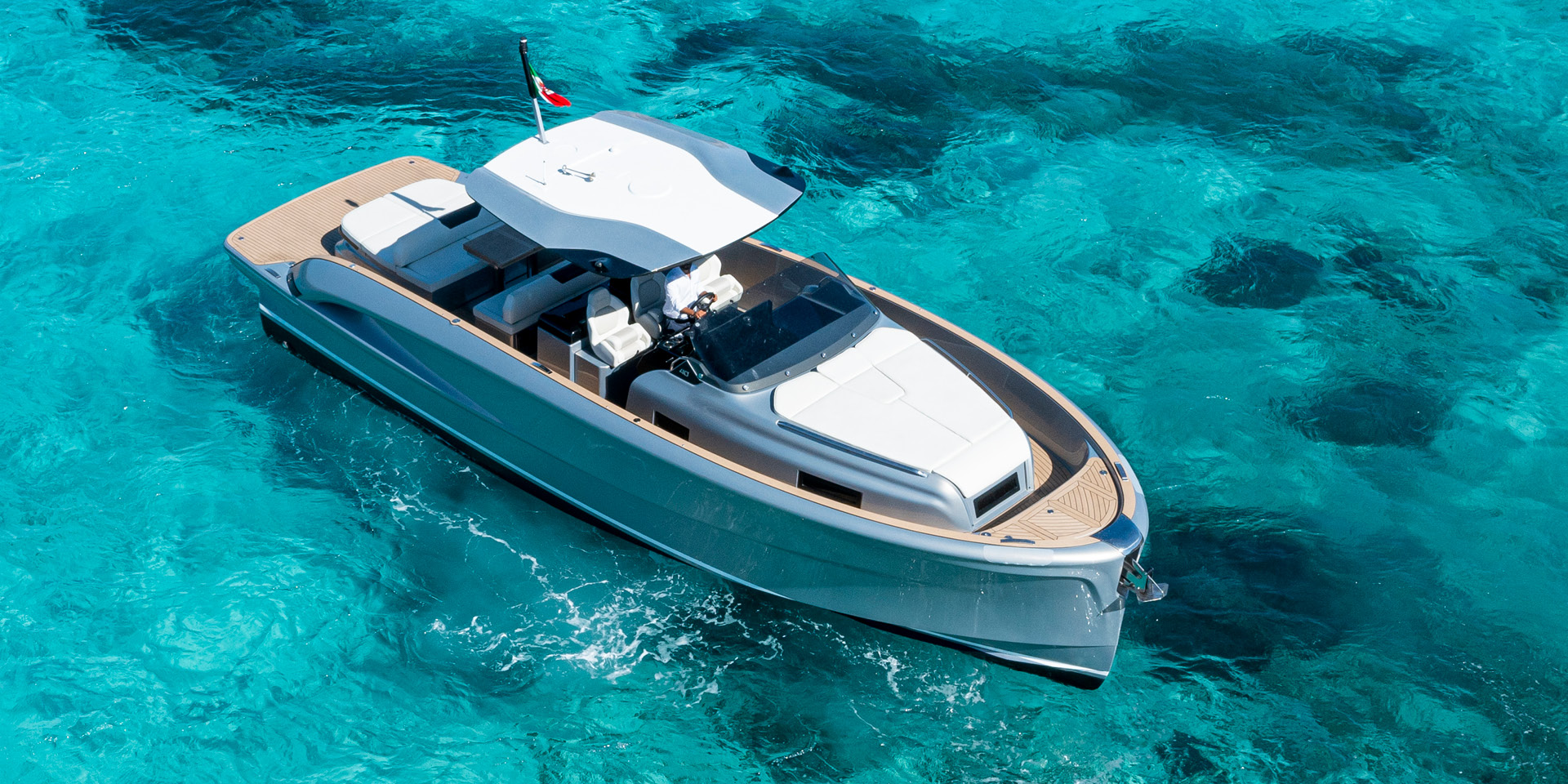
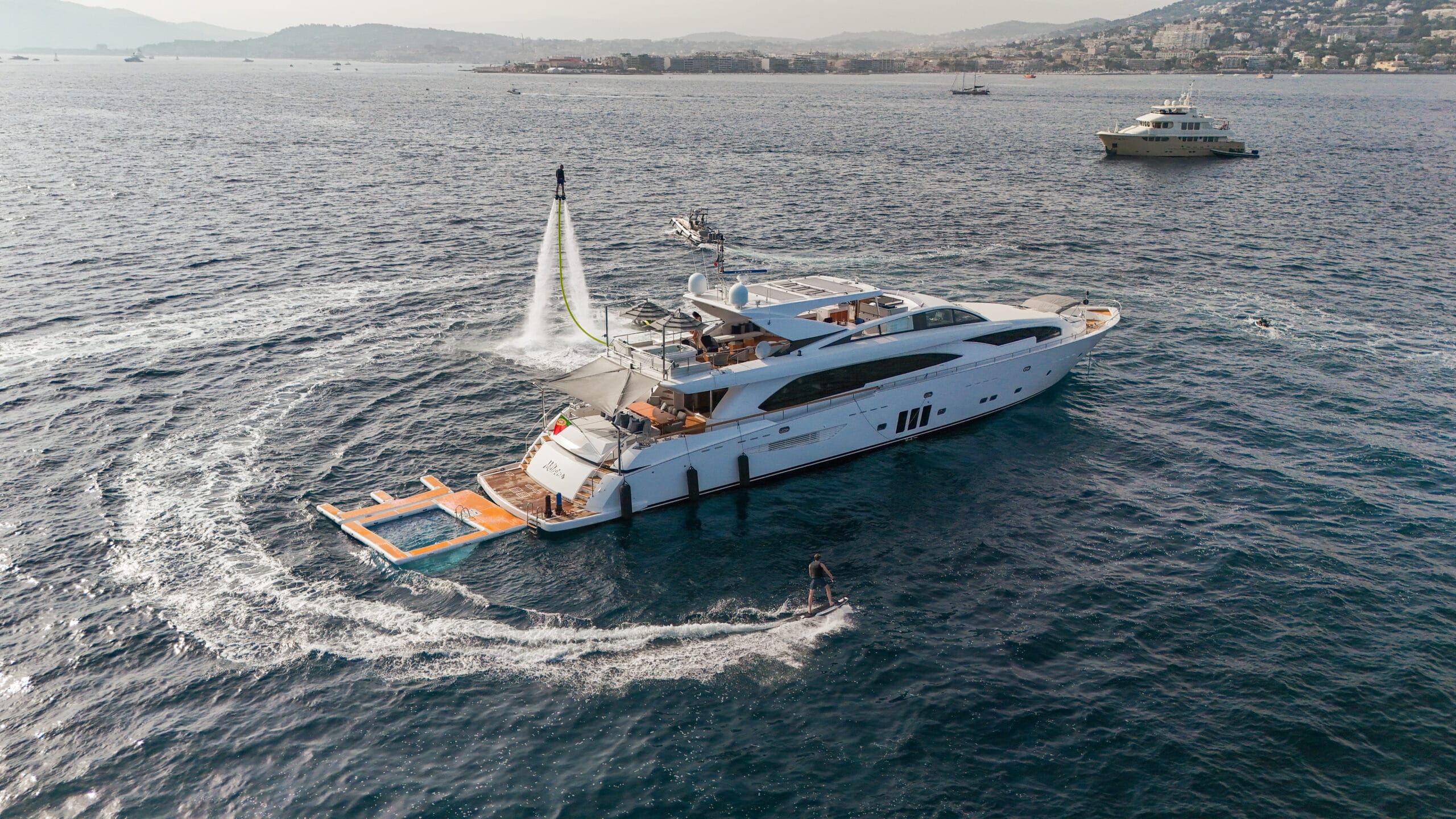
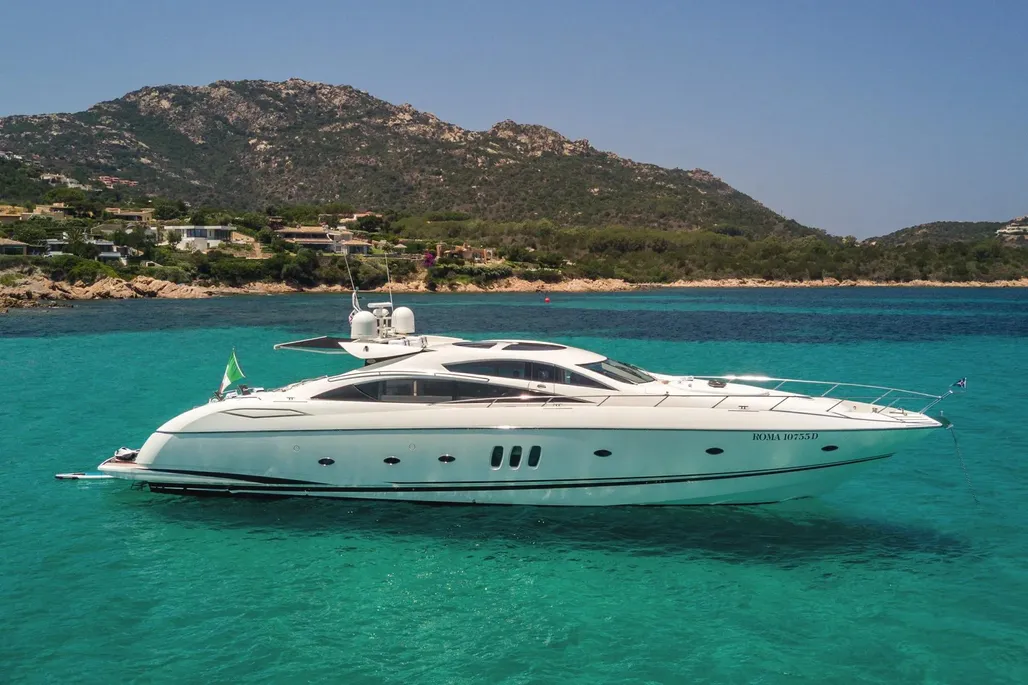
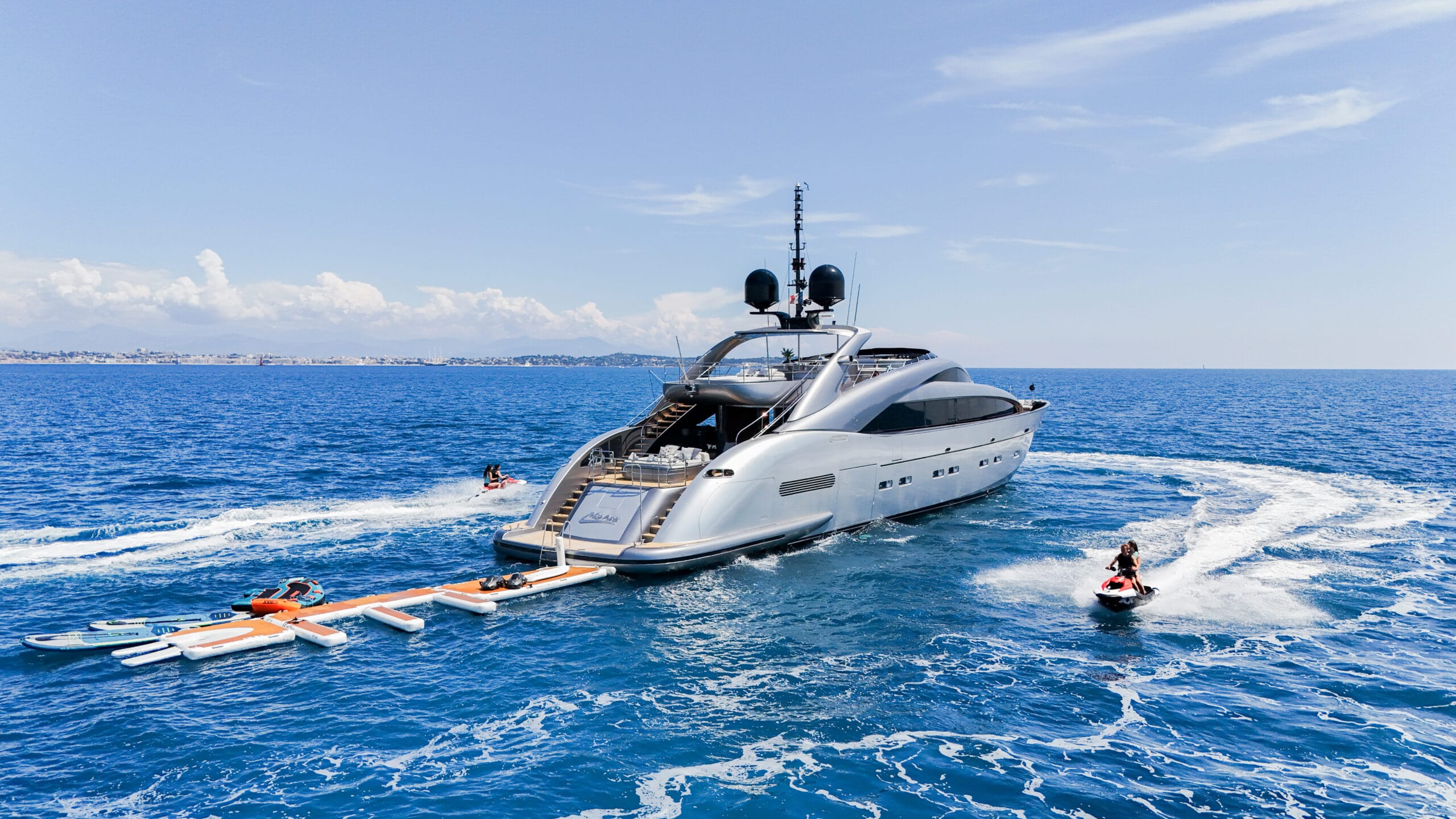
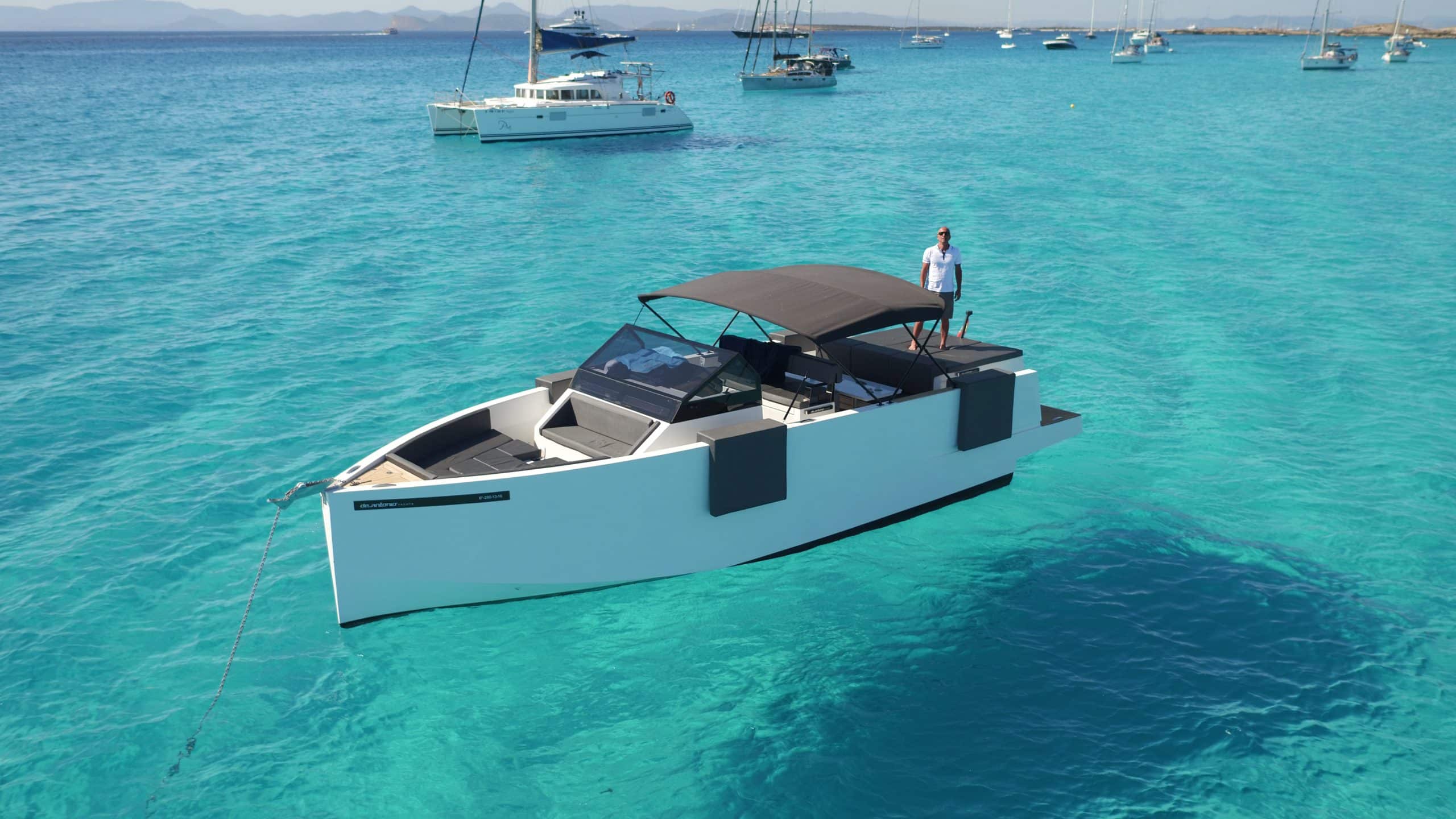
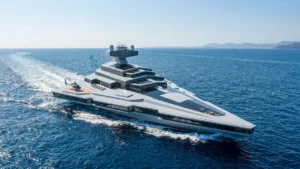
The Cannes Film Festival by boat, today, offers several formats depending on what you're looking for: a private cruise for a small VIP group between appointments, an evening at the quay in Port Canto for 60 to 90 guests, or a combined day, sailing in the morning, reception on board in the evening. Yacht events during the Cannes Film Festival responding to a logic that La Croisette cannot satisfy: total exclusivity, in a setting that no one forgets.
Our boats are based at Port Canto and the Old Port, a two-minute walk from the Palais des Festivals.
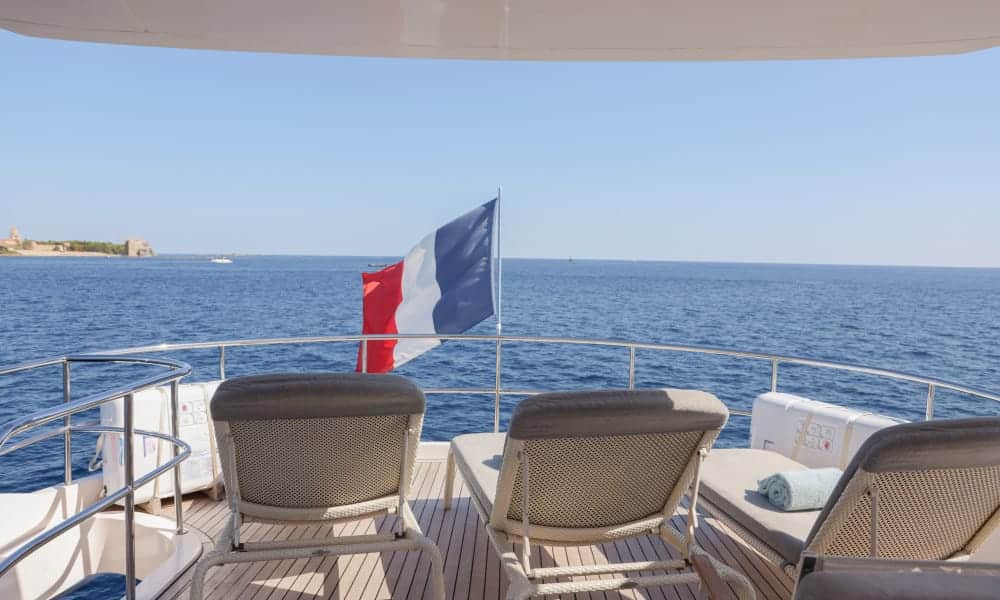
The Festival is watched from the Croisette. It is often experienced from a rear deck.
→ Organize your Cannes Film Festival event on a boat
FAQ – Cannes Film Festival by Boat
The 2026 Cannes Film Festival dates are May 12-23, 2026.
The 2026 Cannes Film Festival (79th edition) will take place from May 12 to May 23, 2026. This is when demand for yachts is highest, especially on weekends and during award ceremonies. Availability for large yachts is booked several weeks in advance.
Why was Cannes chosen for the festival and not another city?
In 1939, several French cities were in the running, including Vichy, Biarritz, and Algiers. Cannes was chosen for its prestige on the Riviera, its hotel infrastructure, and its geographical location on the Mediterranean coast. The bay and the marine setting were among the city's assets from the initial selection.
Can you see the Croisette from a boat during the Festival?
Yes, and it's one of the most striking views of the Festival. From offshore, you can see the entire Croisette, the Palais des Festivals, the grand hotels, and Port Canto with its moored yachts. It's the only way to see the Festival in its entirety without being caught up in the crowd.
Do you need accreditation to rent a yacht during the Festival?
No. The Yacht rental in Port Canto or at the Old Port is completely independent of Festival accreditations. You can organize an event on board for the entire fortnight without a badge or invitation. The boat is your privatized space, open to the bay, closed off from the rest.
When is the best time to sail during the Festival?
Early morning (before 10 am) and late afternoon (from 5 pm) are the most sought-after time slots during the Festival. In the morning, the bay is still calm, and the light is very soft. At the end of the day, the Croisette begins to light up as people head back towards Cannes. In May, sailing conditions remain excellent all day: the sea is generally calm, temperatures are pleasant, and the Lérins Islands are accessible in less than twenty minutes. The sunset cruise towards the Estérel remains one of the most popular options during the fortnight.